The First Piece: A Beginner’s Guide to Buying Original Art
The First Piece:
A Beginner’s Guide to Buying Original Art
Buying your first piece of original art can feel like a bigger decision than it needs to be.
Maybe you’ve walked through an art gallery, found a piece you loved, and immediately wondered whether you knew enough about art to actually buy it. How do you choose original artwork? What should you ask before buying? How much should you spend? And how do you know whether you’re making the “right” choice?
Here’s the good news: you don’t need to be an art expert or an established collector to buy original art.
Every art collection starts somewhere. Usually, it starts with one piece someone simply couldn’t stop thinking about.
Whether you’re considering your first painting, photograph, sculpture, or other original work of art, this guide will help you approach your first art purchase with confidence.
You Don’t Need to Be an Art Expert to Buy Art
One of the biggest misconceptions about buying original art is that you need to understand art before you can confidently purchase it.
You don’t.
Knowing about an artist’s process, medium, technique, and background can deepen your appreciation for a piece, but your initial reaction matters too.
When you're looking at artwork, notice what makes you stop.
Which piece do you return to for another look? Which one looks different from across the room than it does up close? Which artwork would you be disappointed to discover had sold the next time you visited?
Those reactions are already telling you something about your personal taste.
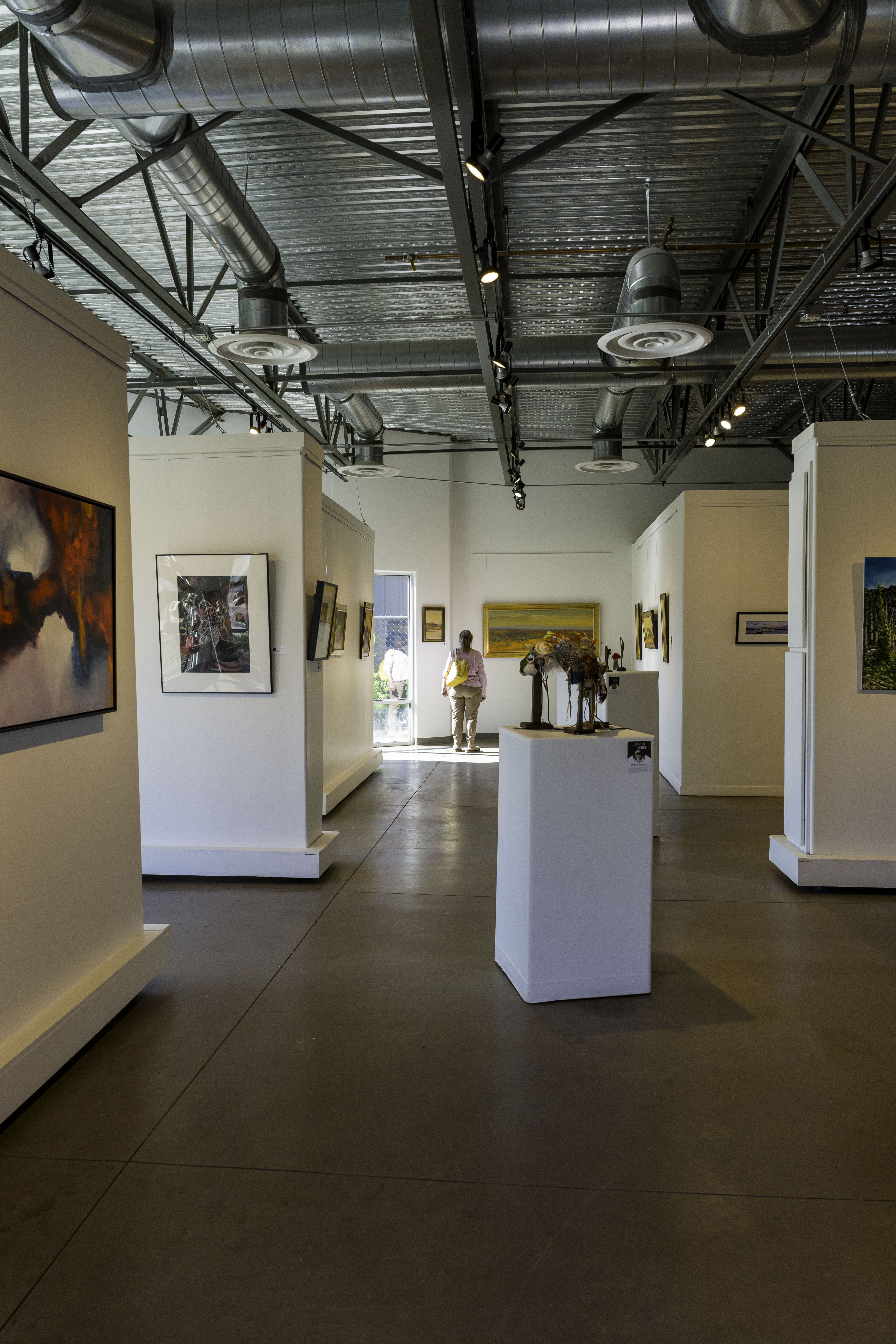
And when you want to understand more, ask questions. A good gallery should be a resource, whether you want to learn about the artist, the materials used, how a piece was created, or simply understand what you're seeing.
How to Choose Original Art You’ll Actually Love
When buying furniture or home décor, it makes sense to think about colors, measurements, and how everything coordinates.
Original art is a little different.
Of course, size and placement matter, but choosing artwork solely because it matches your sofa can mean overlooking something you genuinely connect with.
Instead, pay attention to what consistently catches your eye.
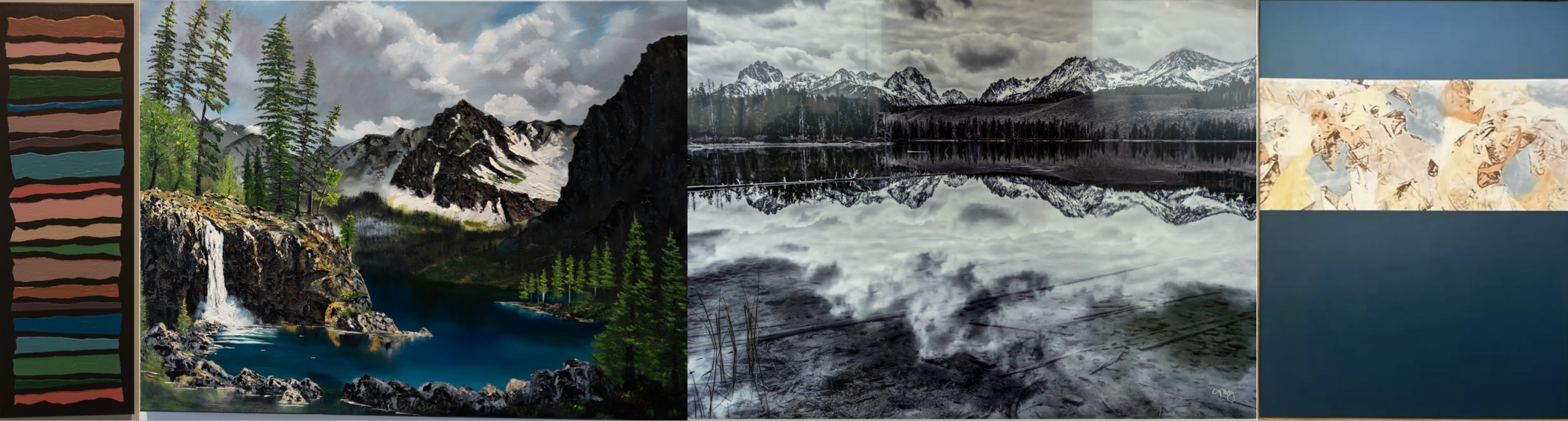
Maybe you're drawn to landscape paintings, abstract art, fine art photography, bold color, quiet neutral pieces, detailed realism, sculpture, or mixed media. You might discover that your taste is completely different from what you expected.
You also don't need to define your personal art style before making your first purchase. Your preferences become clearer the more art you see.
Visit galleries. Look at different artists. Explore different mediums. Give yourself permission to like things that don't necessarily look alike.
That's part of developing your own taste.
How Much Does Original Art Cost?
The phrase "original art" can make people assume that everything in an art gallery costs thousands of dollars.
That isn't necessarily the case.
Original artwork exists across a wide range of price points. Depending on the artist and gallery, you may find original paintings, photography, works on paper, ceramics, sculpture, jewelry, small studies, and other pieces at different prices.
Size isn't the only factor that determines the price of original artwork, either. An artist's experience, medium, process, materials, time involved, market, and other factors can all contribute to pricing.
If you're working within a particular budget, it's completely appropriate to tell the gallery.
Asking, "What original artwork do you have under $500?" or "I'd like to stay around $1,000" isn't embarrassing. It helps gallery staff show you pieces that fit both your taste and your budget.
Your first art purchase doesn't need to be your biggest.
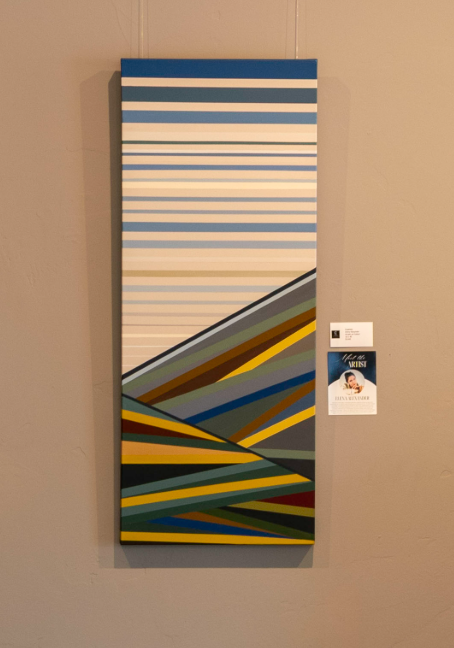
What Should You Ask Before Buying Original Art?
There are no bonus points for pretending you already know everything.
If you're considering buying a piece of art, asking questions can help you understand exactly what you're purchasing and often creates a deeper connection to the work.
Consider asking:
Who is the artist?
What medium and materials were used?
What inspired the artwork?
Is this a one-of-a-kind original or part of an edition?
If it's an edition, how many were produced?
Does the artwork require special care?
Is it ready to display, or will it need framing?
Are there recommendations for where or how it should be displayed?
Sometimes learning the story behind a work completely changes the way you see it.
This is one of the biggest advantages of buying art through a gallery: you don't have to navigate the process alone.
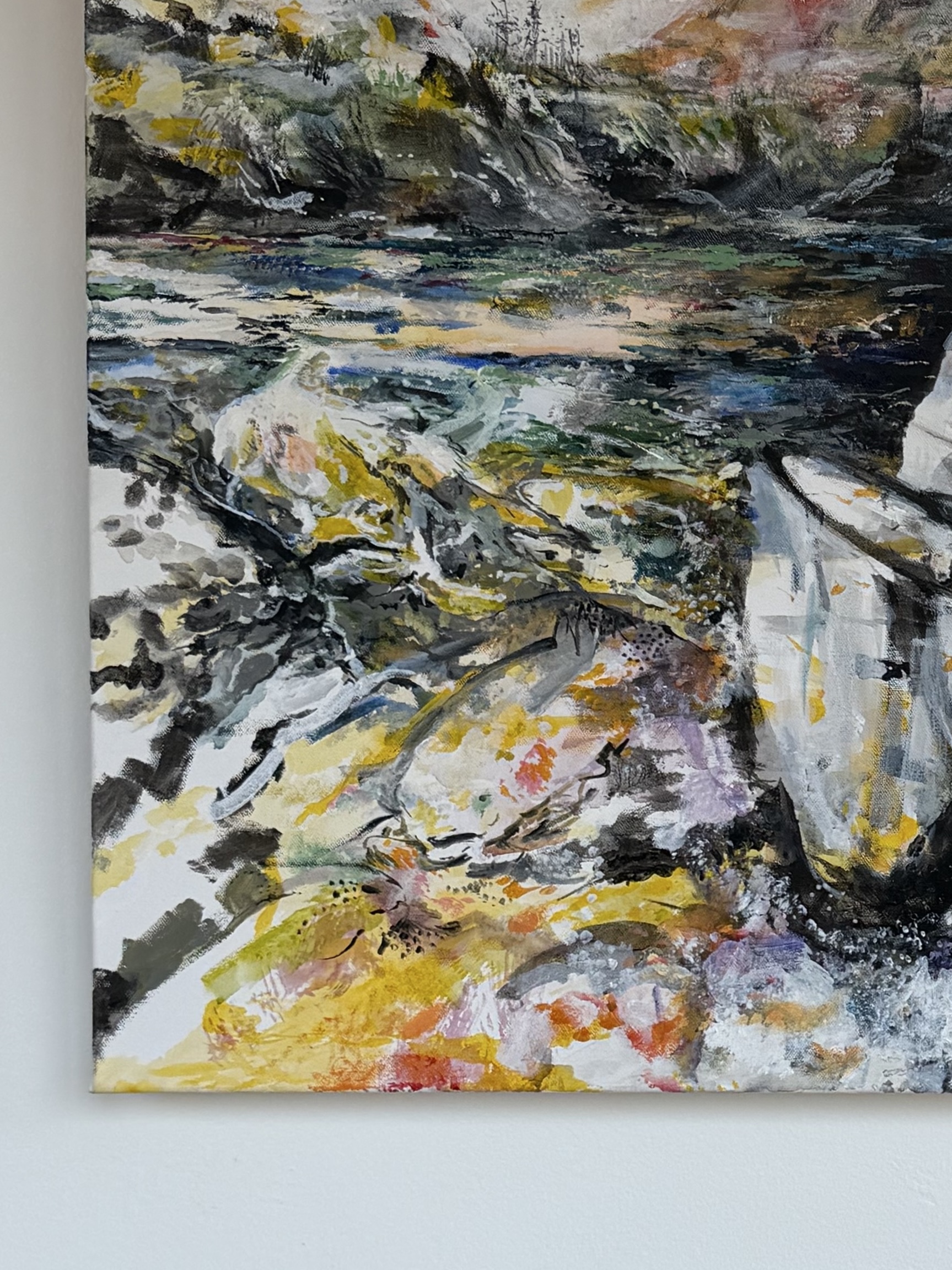
Does the Art in Your Collection Need to Match?
No - and we'd argue that it probably shouldn't be the goal.
Your first art purchase doesn't lock you into a particular aesthetic forever.
A personal art collection can include different artists, mediums, subjects, colors, and styles. Some of the most interesting collections develop naturally over years as someone's experiences, interests, and tastes evolve.
A landscape painting can live in the same collection as abstract photography. A contemporary sculpture doesn't disqualify you from falling in love with a traditional painting six months later.
The common thread doesn't have to be a color palette or artistic movement. The common thread can simply be you.
If each piece means something to you, your collection already has a point of view.
Should Art Match Your Home?
This one requires a little balance.
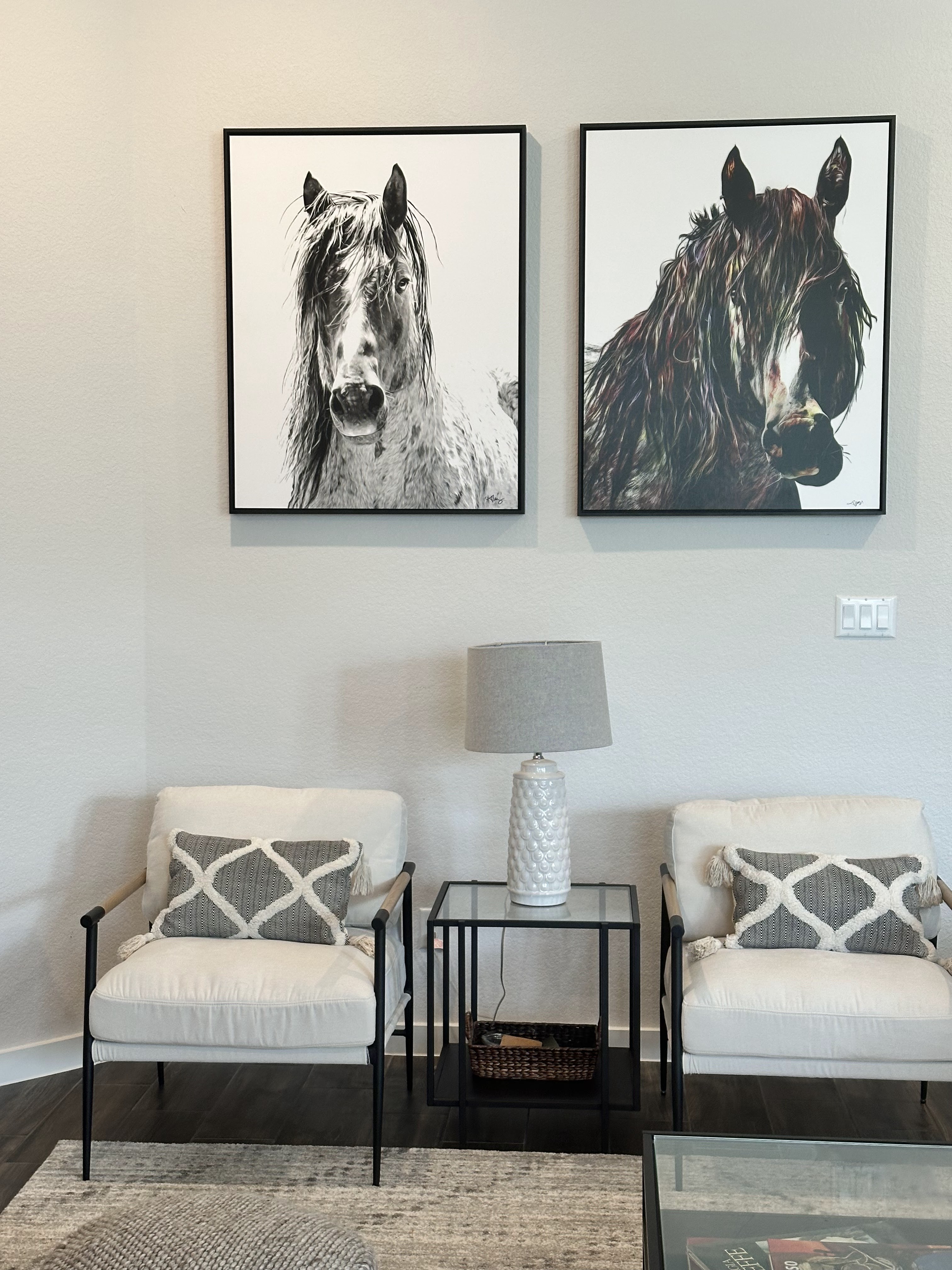
Yes, you should consider where you're going to display your artwork. Scale, lighting, surrounding colors, framing, and the architecture of the room can all affect how a piece looks in your home.
But we'd caution against buying original art only because it matches your décor.
Furniture gets replaced. Walls get painted. People move.
A piece of original art you genuinely love can stay with you through all of it.
Once you've found something that connects with you, then consider the practical questions:
Where could it go? Is the scale appropriate? Does it need custom framing? How will the lighting affect it? Are there environmental considerations based on the medium?
A gallery or professional framer can help you work through those decisions.
And sometimes, you find the artwork first and figure out exactly where it belongs afterward.
Is Original Art a Good Investment?
People buy original art for many reasons. Some build serious collections. Some want to support working artists. Others want to remember a particular place, experience, or period in their lives.
And yes, some people purchase art partly as an investment.
But for someone buying their first piece of original art, we wouldn't recommend trying to predict the market.
While some collectors consider potential value when purchasing art, predicting the future market can be difficult. For a first purchase, start with something much simpler:
Would you be happy to live with this piece even if its monetary value never changed?
You're the person who's going to see it every day.
Buy something you want to keep looking at.
How to Start Your First Art Collection
You don't need a collection strategy, a huge budget, or an empty gallery wall.
Start by looking.
Visit local art galleries and exhibitions. Learn about artists in your community and beyond. Look at paintings, photography, sculpture, ceramics, mixed media, and mediums you've never considered before.
Ask questions.
And when you find a piece that keeps pulling you back, pay attention.
Every art collection begins with one piece.
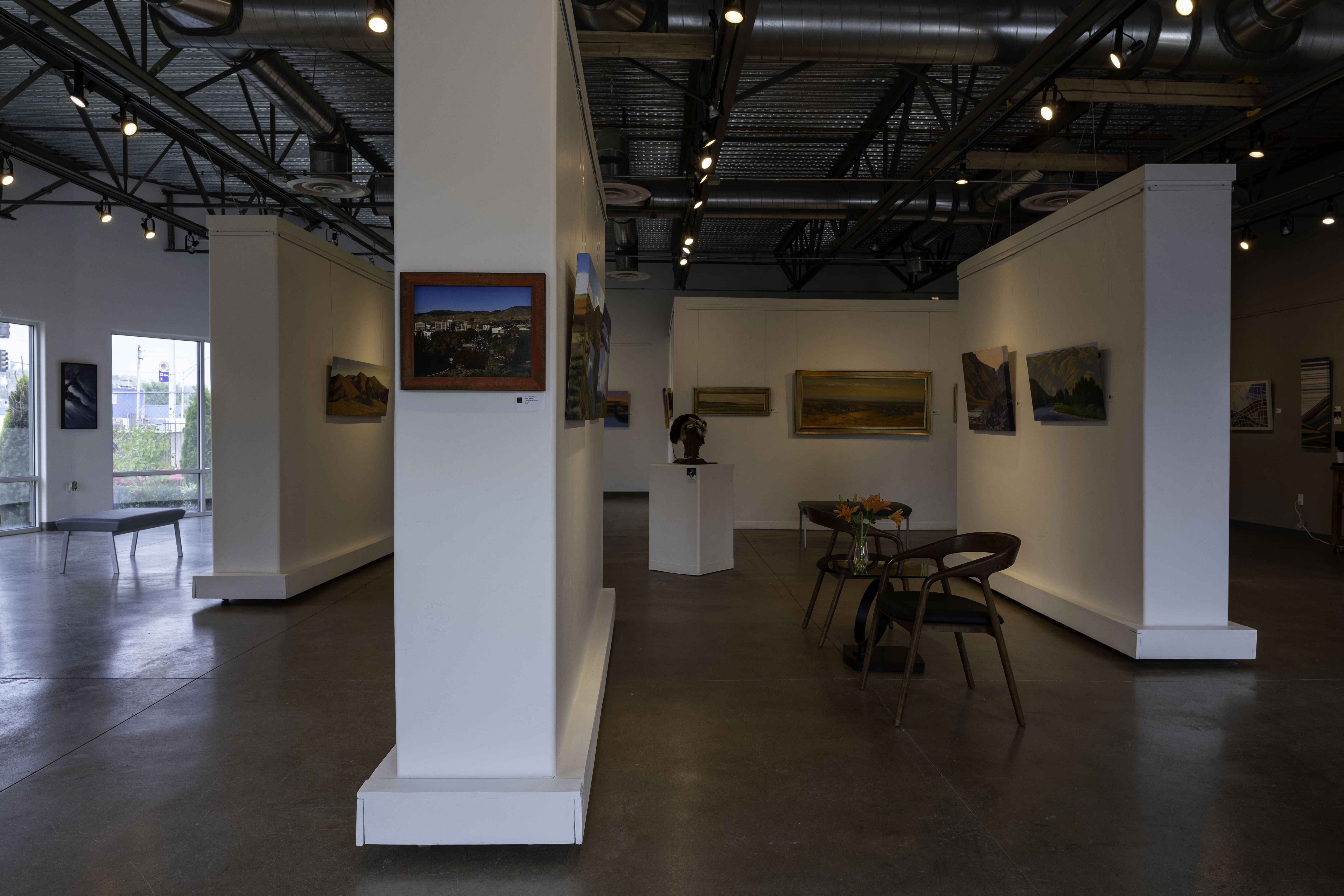
Buying Original Art in Boise and Garden City, Idaho
If you're ready to start exploring original art in person, Create Gallery & Frames in Garden City, Idaho, represents a diverse group of artists working across a variety of mediums, styles, subjects, and price points.
Located just outside Boise, our gallery gives both new and experienced collectors the opportunity to experience original artwork up close, learn more about the artists behind it, and ask questions without pressure.
We believe buying art should feel approachable.
You don't have to walk through our doors knowing exactly what you're looking for - and you definitely don't have to call yourself an art collector.
Take your time. Look closely. Ask questions.
You might just leave with the first piece of your collection.
