
The Power of Women in Art From History to the Walls of Today
The Power of Women in Art
From History to the Walls of Today

For centuries, women created art.
They just were not always allowed to sign it.
They were excluded from academies. Barred from studying the nude form. Often labeled muses instead of masters. Many painted in private. Some used male pseudonyms. Others were simply overlooked.
For most of recorded art history, women were excluded from formal training and institutional recognition. In many European academies, women were not allowed to study the nude figure until the late 19th century, limiting their ability to compete in history painting, which was considered the highest form of art. Even as recently as the 1980s, major museum collections in the United States were overwhelmingly dominated by male artists. The work was there. The opportunity was not.
And yet, they created anyway.
From Artemisia Gentileschi’s dramatic Baroque scenes to Georgia O’Keeffe’s unapologetic florals, women have shaped the visual language of art history in ways we are still uncovering.
The story of women in art is not one of absence.
It is one of persistence.
The Shift We Are Living In
Today, women are not asking for space in the art world.
They are taking it.
They are building studios, running businesses, curating exhibitions, mentoring emerging artists, and creating work that reflects lived experience with clarity and conviction.
They are painting strength and softness without apology.
They are redefining what power looks like.
And perhaps most importantly, they are visible.
When you walk into a gallery and see wall after wall filled with work created by women, something shifts. The conversation changes. The scale becomes undeniable.
You begin to see not just individual artists, but momentum.
Women of Today, On Our Walls
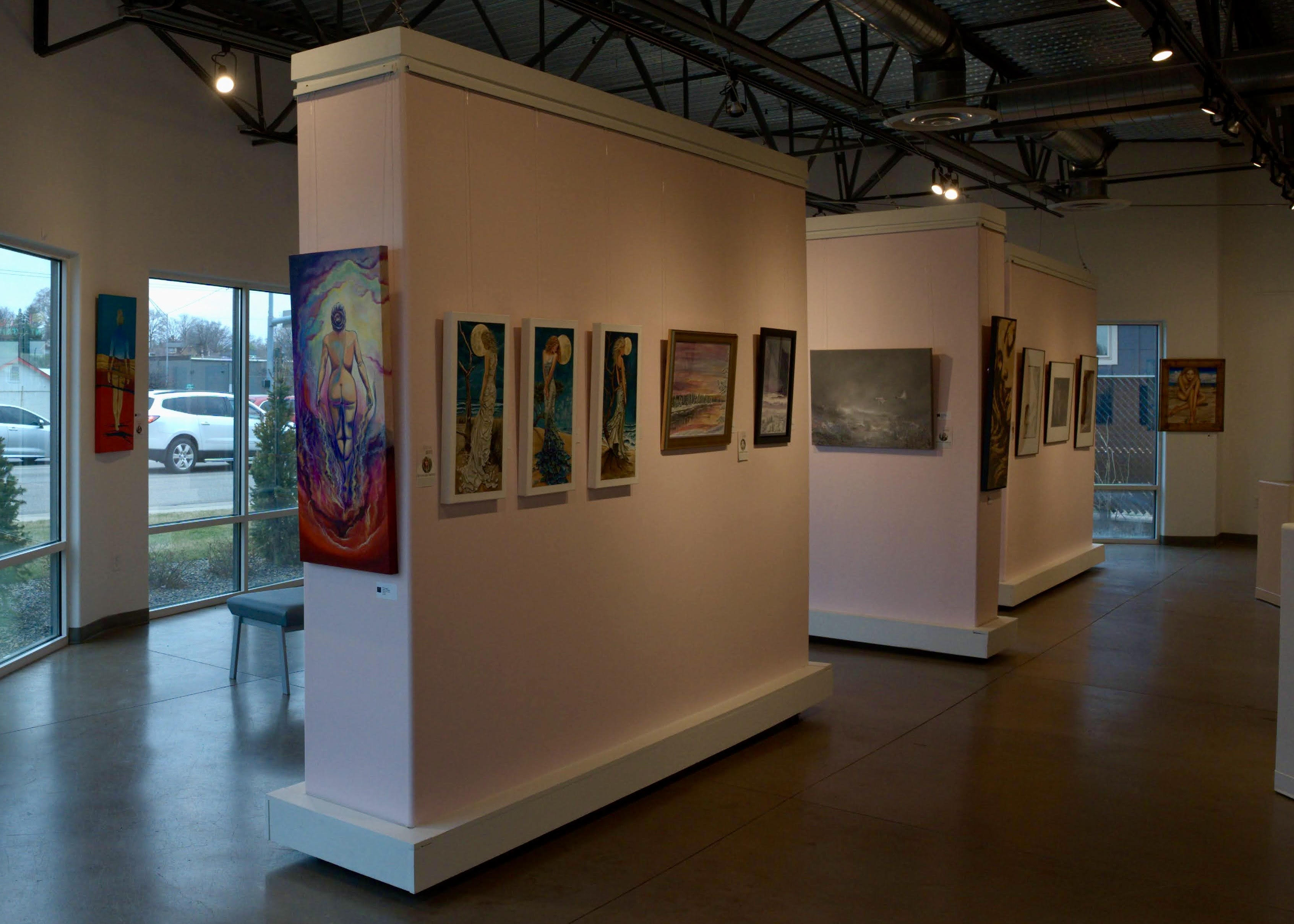
Our Women’s History Month exhibition, Bold Women, Soft Walls, brings together 21 women artists whose work spans realism, abstraction, mixed media, ceramics, landscape, figurative, and conceptual practices.
The range alone tells a story.
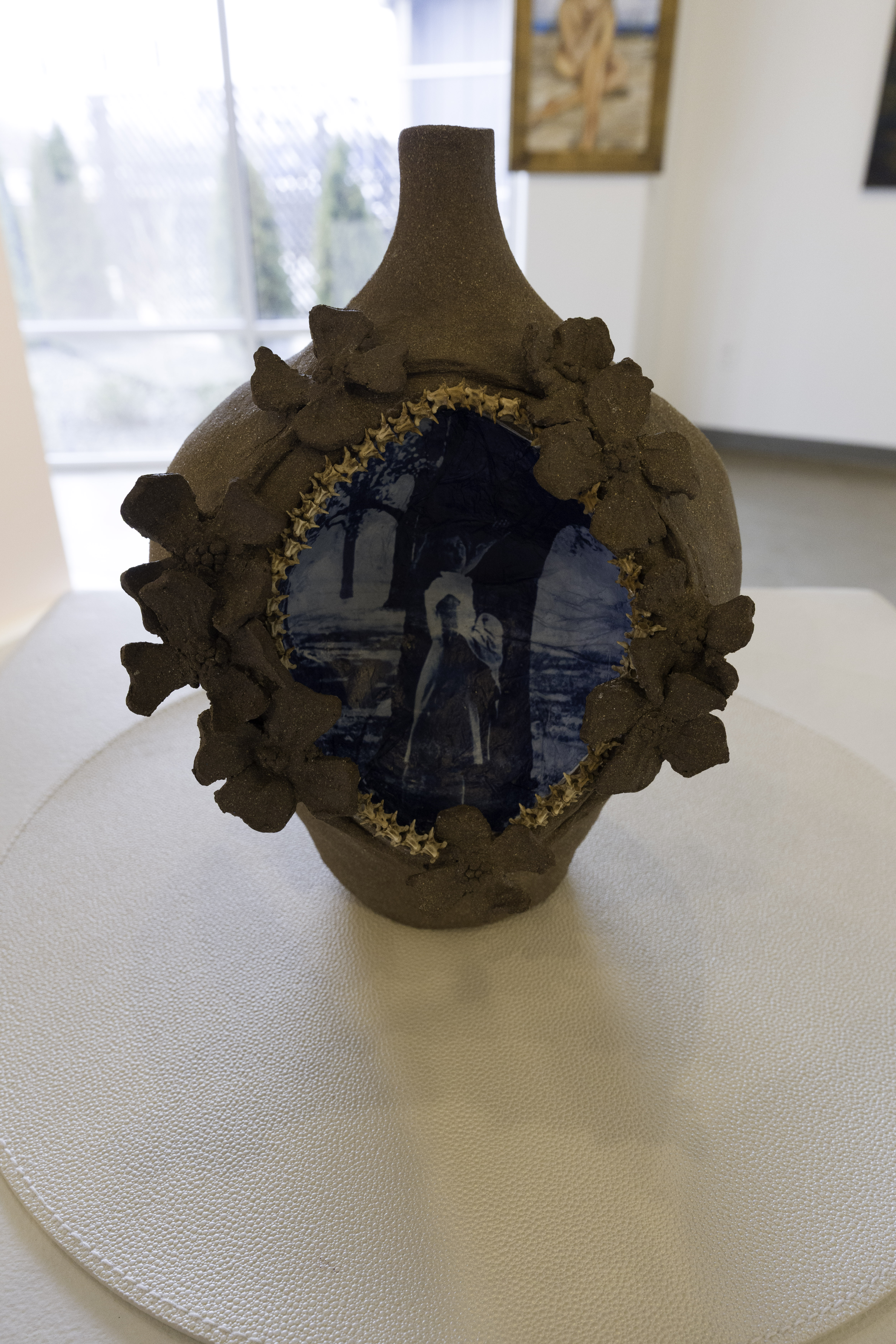
Carol Hackney’s Where Life Finds Me captures strength through the presence of a solitary horse. Penelope Frizzell’s ceramic work, including Gladys, balances fragility and permanence through sculptural form.
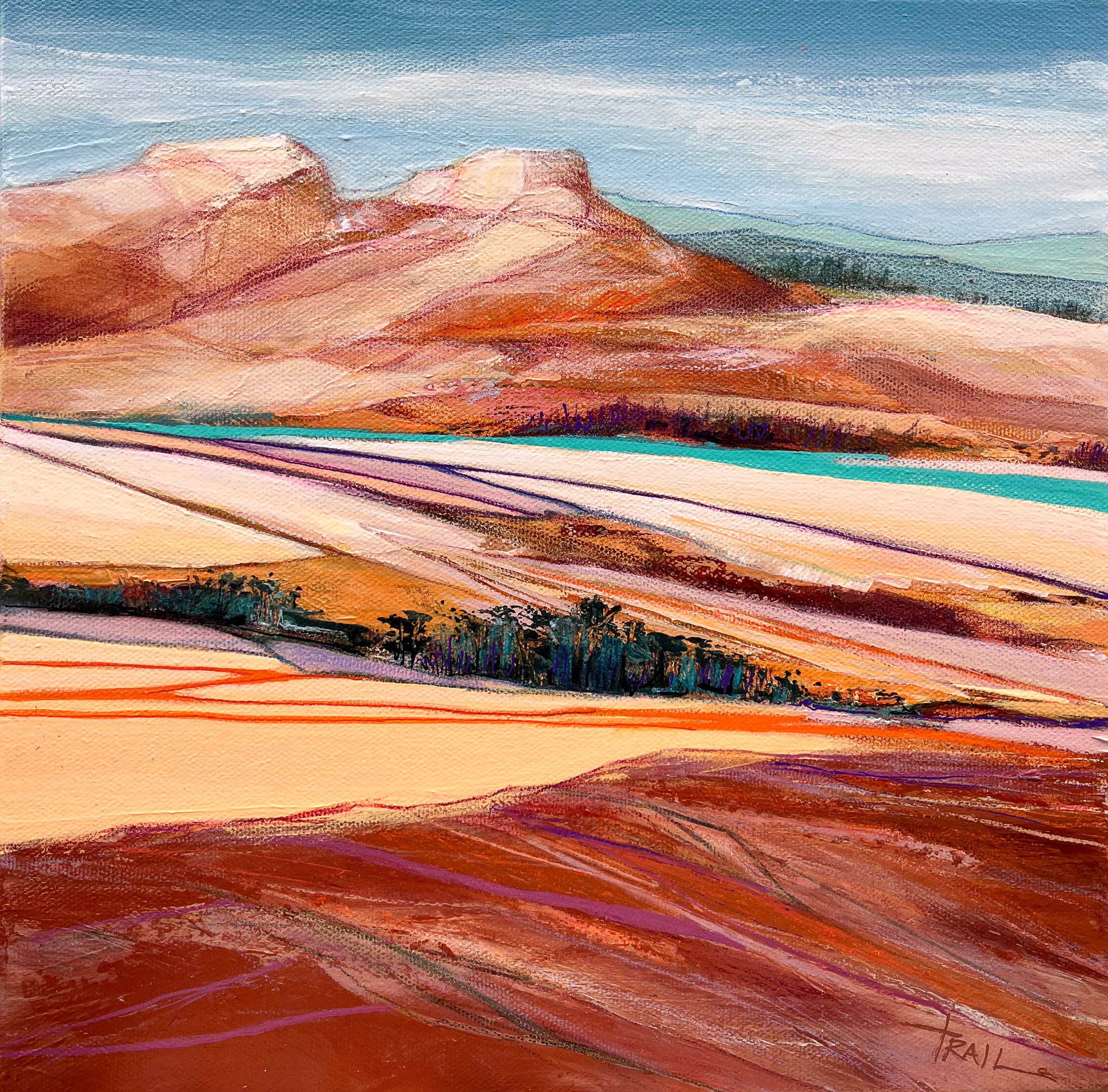
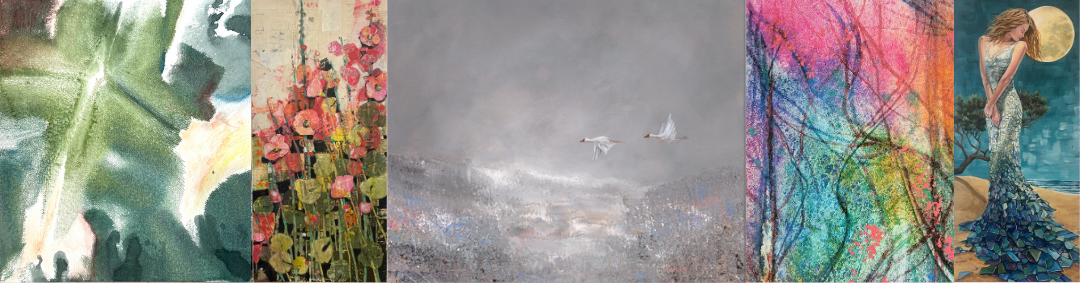
Pamela Trail’s Westward landscapes stretch across memory and terrain, while Elizabeth Van Tassel’s Aurora Lake reminds us that art can move beyond the wall and into daily life. Amy Granger’s Bloom series embraces organic softness, and Carrie Cornils’ Color Burst explodes with unapologetic vibrancy.
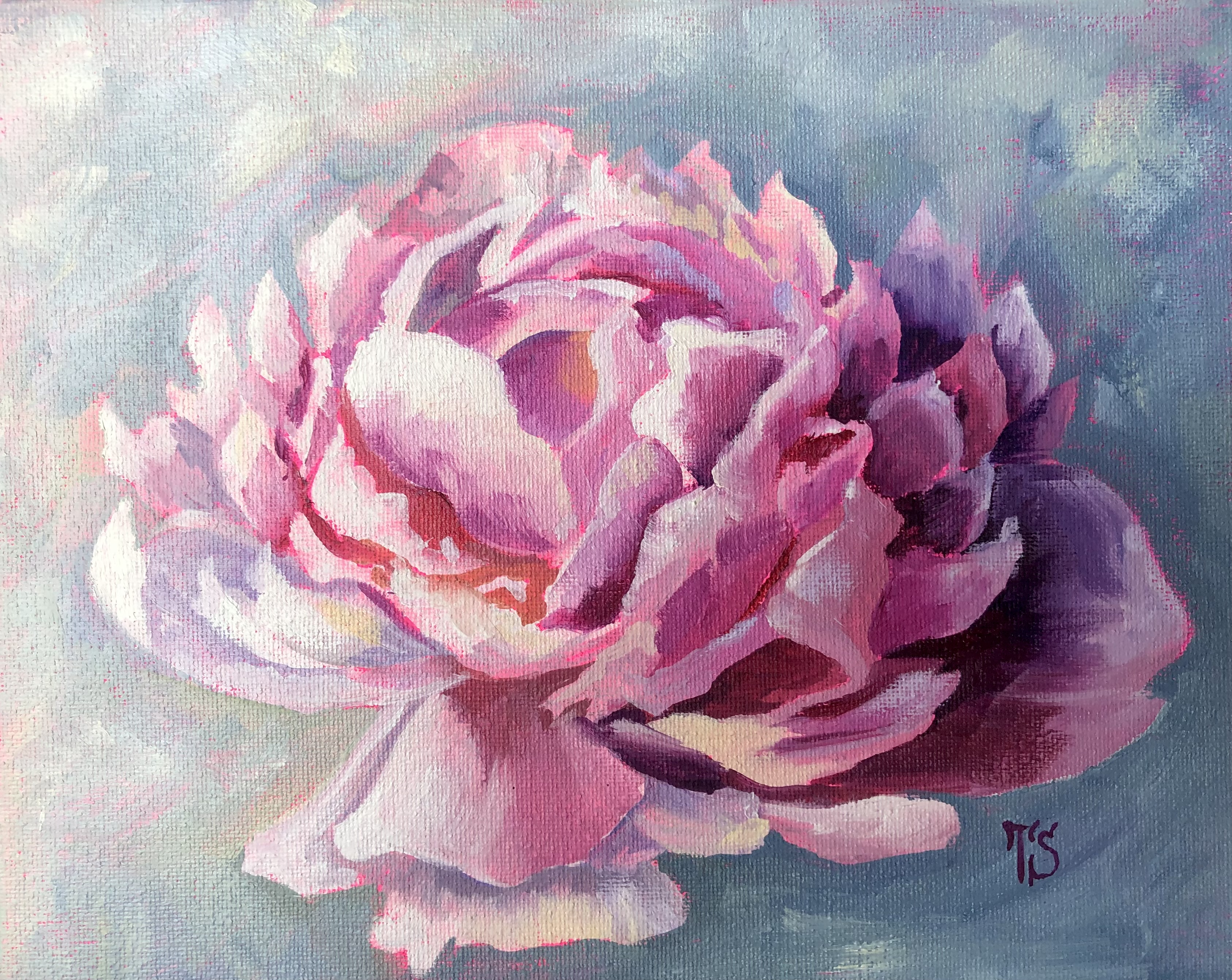
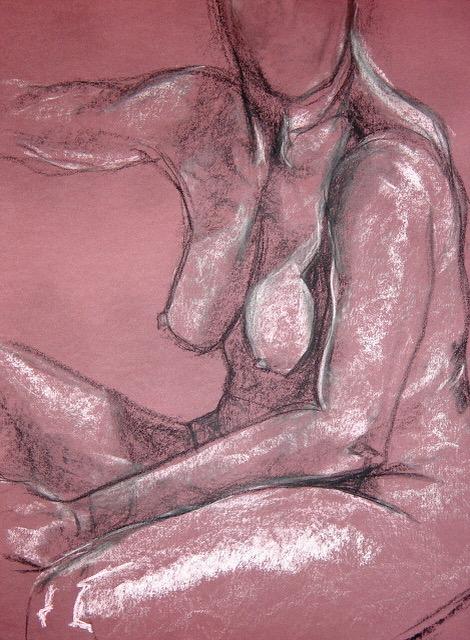
Tatiana Stroganova’s Sunset Blooming glows with emotional color. Lisa Flowers Ross distills movement and line in Rock Lines II. Karyn Neklason’s The Fire We Carry pulses with layered intensity. Jane Harvey’s minimal line drawings reduce the human form to its most essential marks, suggesting intimacy and connection through gesture rather than detail.

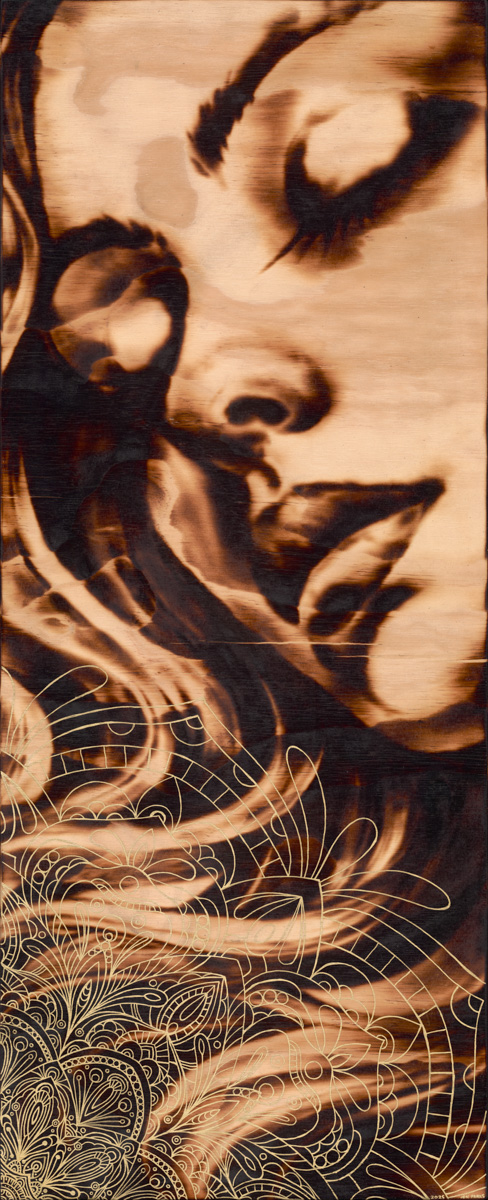
Figurative work anchors the room in lived experience. Bonnie Peacher’s WCA Nude approaches the body with honesty rather than idealization. Suzanne DeSoleil’s Ghost Walker and Luma Jasim’s Disfiguration #5 explore identity and presence through bold, complex visual language.

Landscape becomes reflection in the hands of Sheila Hazelton with Peaceful Day, Liz McDevitt in Dance in the Rain, Nina Sloan in Resilience, and Sunny Dawn Freeman in the Shattered series.
Elizabeth Hilton’s Hollyhocks #2 brings quiet authority through layered florals. Jen Parks’ Serenity captures stillness and depth. Braelyn Moorhead’s Half Moon Bay grounds the exhibition in atmosphere and place.
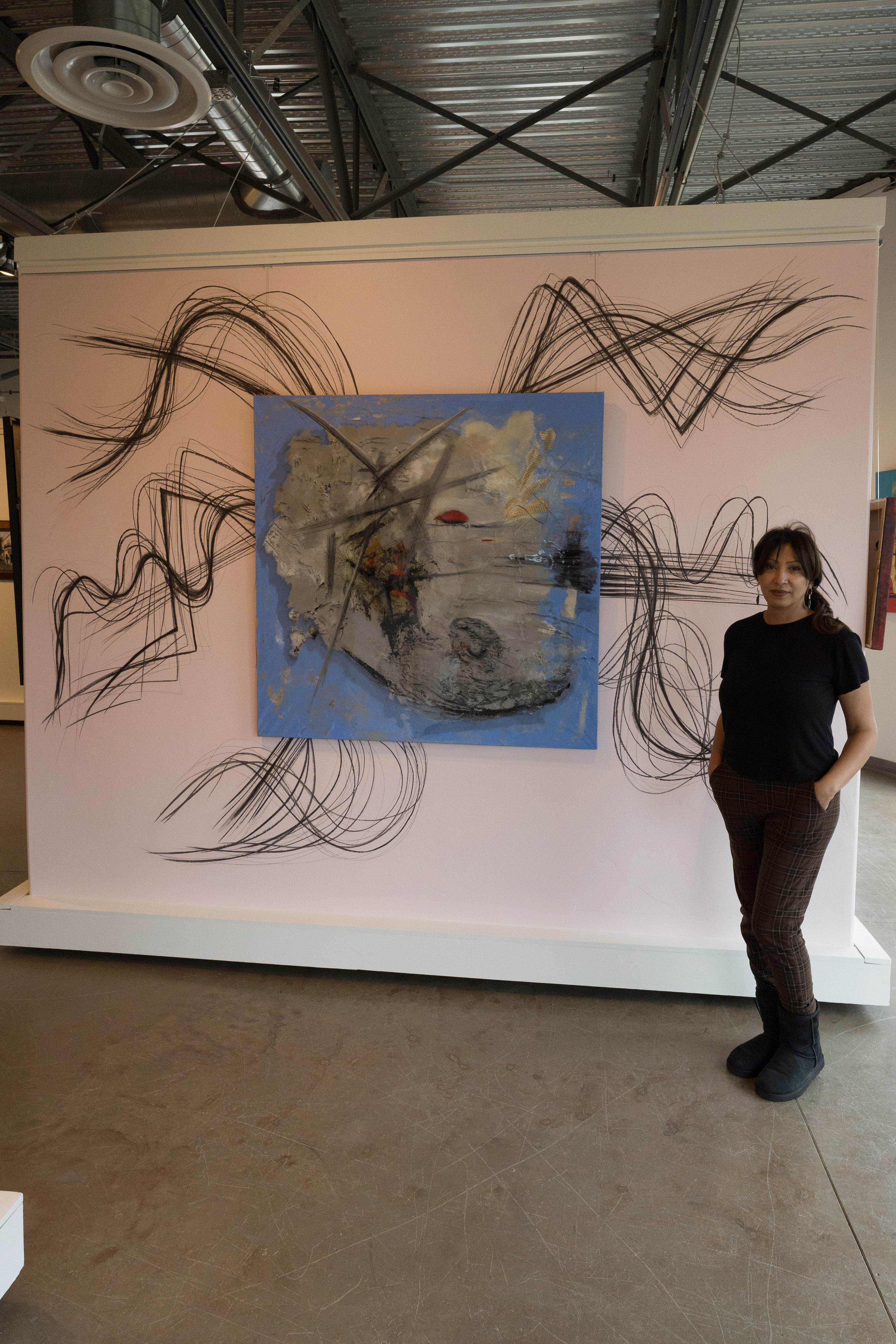
And Muralist Martha Channer reminds us that art does not only hang on walls. As a muralist, she transforms architecture itself, shaping space as much as surface.
Together, these women create a layered conversation about resilience, identity, discipline, beauty, and growth.
Across mediums and styles, one thing becomes clear.
This is not history repeating itself quietly.
This is women actively shaping the present.
Why Representation Still Matters
It is easy to assume that barriers are gone. That equality is automatic. That recognition simply happens.
It does not.
But representation is still built intentionally.
When galleries choose to feature women artists.
When collectors invest in their work.
When businesses hang their art on the walls.
When families choose to bring their stories into their homes.
Those. Decisions. Matter.
They shape the narrative of who is seen, who is valued, and whose work is preserved.
Art has always reflected culture. The question is whose culture is being reflected.
Right now, we have the opportunity to ensure women’s voices are not in the background.
They are centered.
An Invitation
Bold Women, Soft Walls is on view through March 31 at Create Gallery and Frames in Garden City, Idaho.
The exhibition includes works ranging from approachable entry pieces to statement investments for serious collectors.
If you want to see what women in art look like today, you can read about it in history books.
Or you can walk through the gallery and see it in real time.
The walls are pink.
The work is bold.
And the story is still being written.
History is not just something we study. It is something we shape.
Every era decides whose work is preserved, whose names are remembered, and whose stories are carried forward. That decision is not made in textbooks. It is made in galleries, in homes, in collections, and in the quiet moments when someone chooses to stand in front of a piece of art and say, this matters.
Right now, that choice is in front of us.
Exhibitions like this are part of correcting that narrative.
We invite you to be part of it.
Create Gallery and Frames
3520 W. Chinden Blvd. Garden City, ID 83714
Gallery Hours: Tuesday-Saturday, 11 AM-6 PM
Follow along on Instagram, Facebook, TikTok, YouTube, LinkedIn, and Pinterest at @creategalleryandframes for artist highlights, upcoming events, and behind-the-scenes moments.
