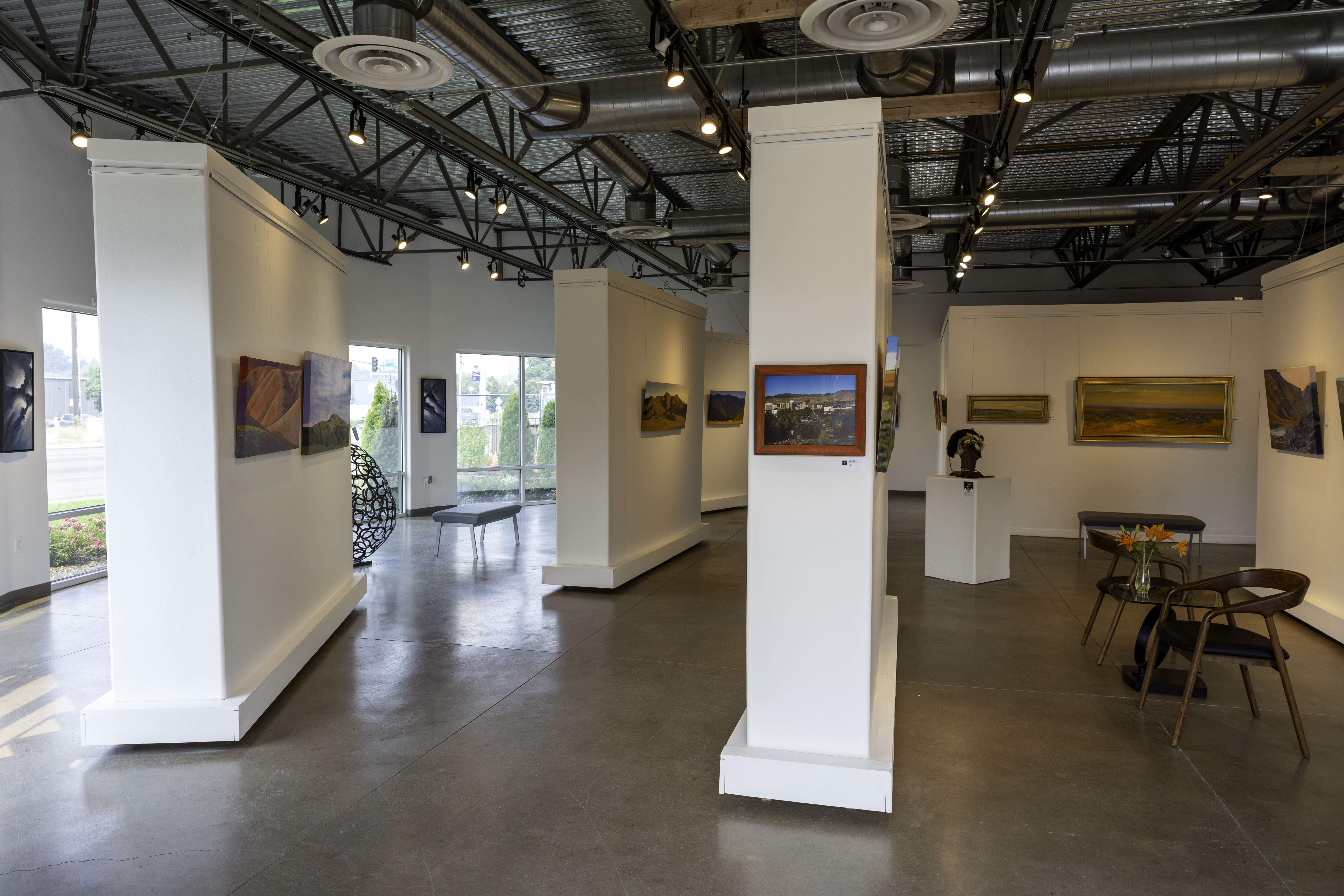
5 Things Artists Often Overlook When Presenting Their Work
5 Things Artists Often Overlook When Presenting Their Work
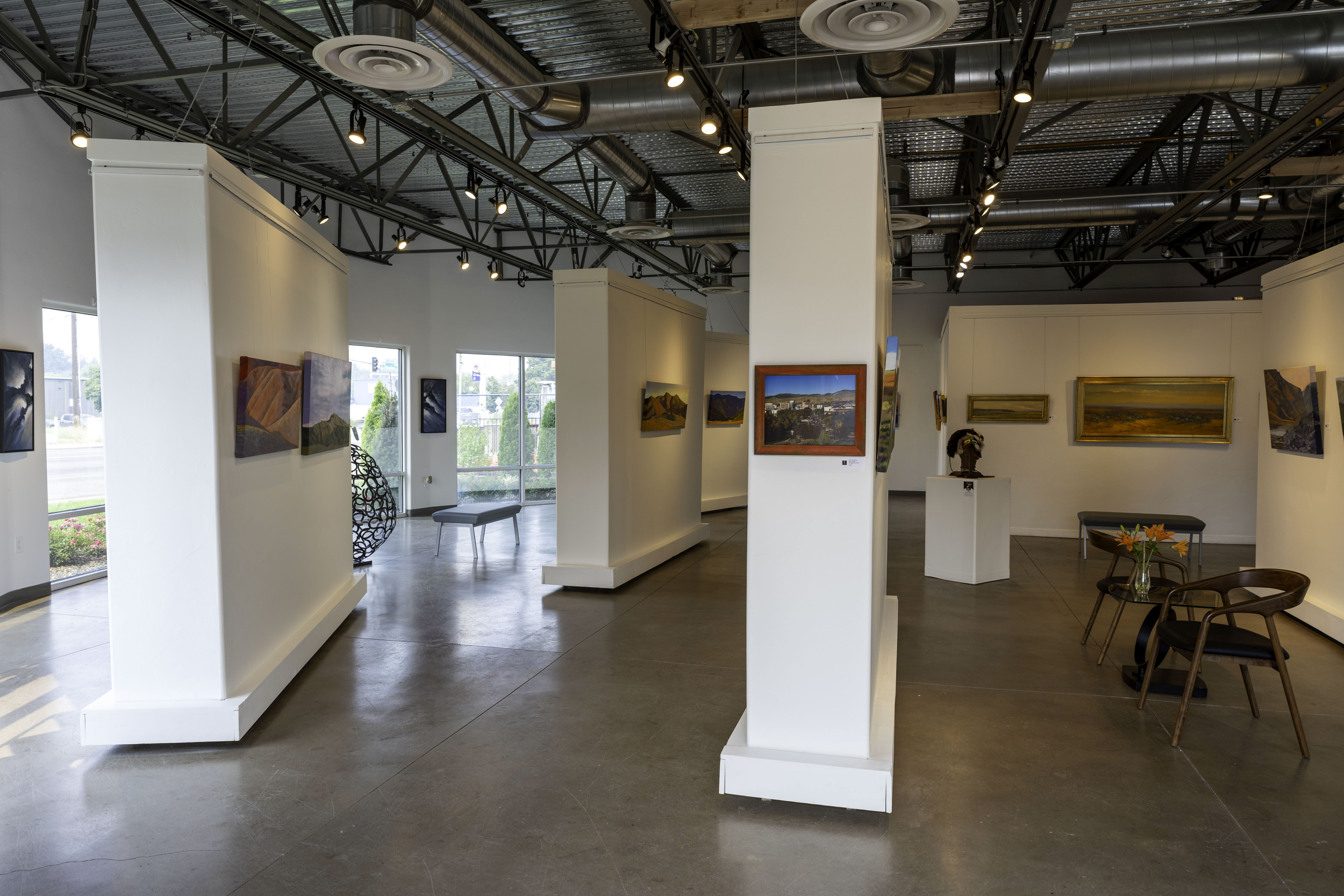
Creating the artwork is only part of the process. Once a piece leaves the studio and enters a gallery, exhibition, or collector's home, the way it is presented becomes part of how it is experienced.
Small details can influence how viewers understand the work, how confidently collectors purchase it, and how easily galleries can exhibit it.
Here are five things artists often overlook when preparing their work for the public.
1. Looking Beyond the Individual Piece
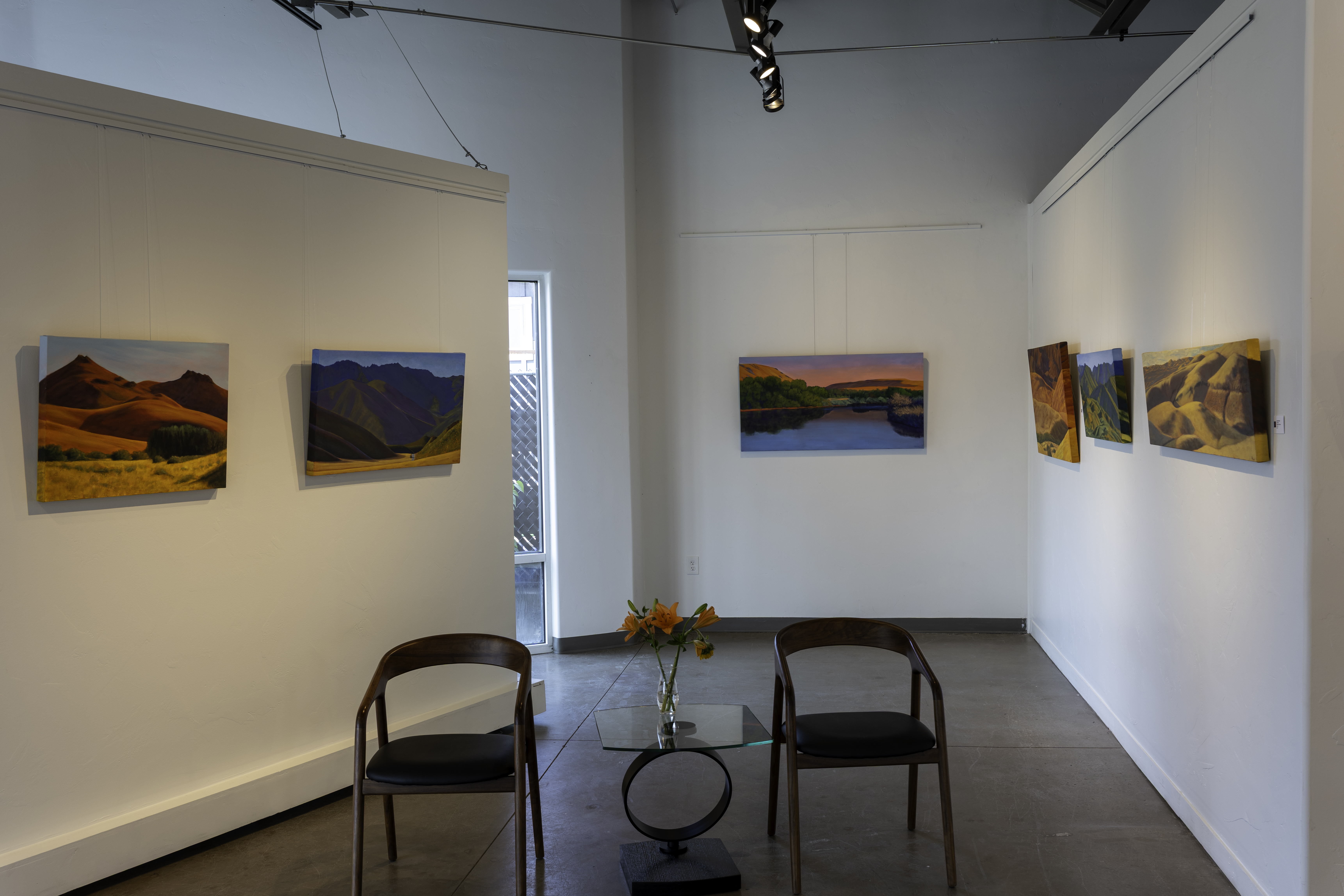
Artists naturally spend a lot of time thinking about one piece at a time. But when several works are displayed together, a different question emerges: How do they relate to one another?
A body of work doesn't need to be identical. In fact, it shouldn't be. But some connection between pieces can help viewers understand an artist's perspective.
That connection might come through subject matter, color, technique, materials, mood, or the ideas behind the work.
Thinking beyond the individual piece becomes especially important when preparing for an exhibition. A collection that feels intentional can create a much stronger experience than a group of unrelated works competing for attention.
2. Thinking About Preservation Before There's a Problem

How a piece is displayed today can affect how it looks years from now.
Light exposure, moisture, materials, mounting methods, and framing choices can all affect the longevity of artwork. These considerations are easy to overlook when the immediate goal is simply getting a finished piece onto the wall.
The right approach depends on the artwork itself. A work on paper has different needs than a canvas, textile, photograph, or mixed-media piece.
Thinking about preservation early allows presentation choices to do two jobs at once: showcase the artwork beautifully and help protect it for the future.
3. Giving Viewers the Information They Need
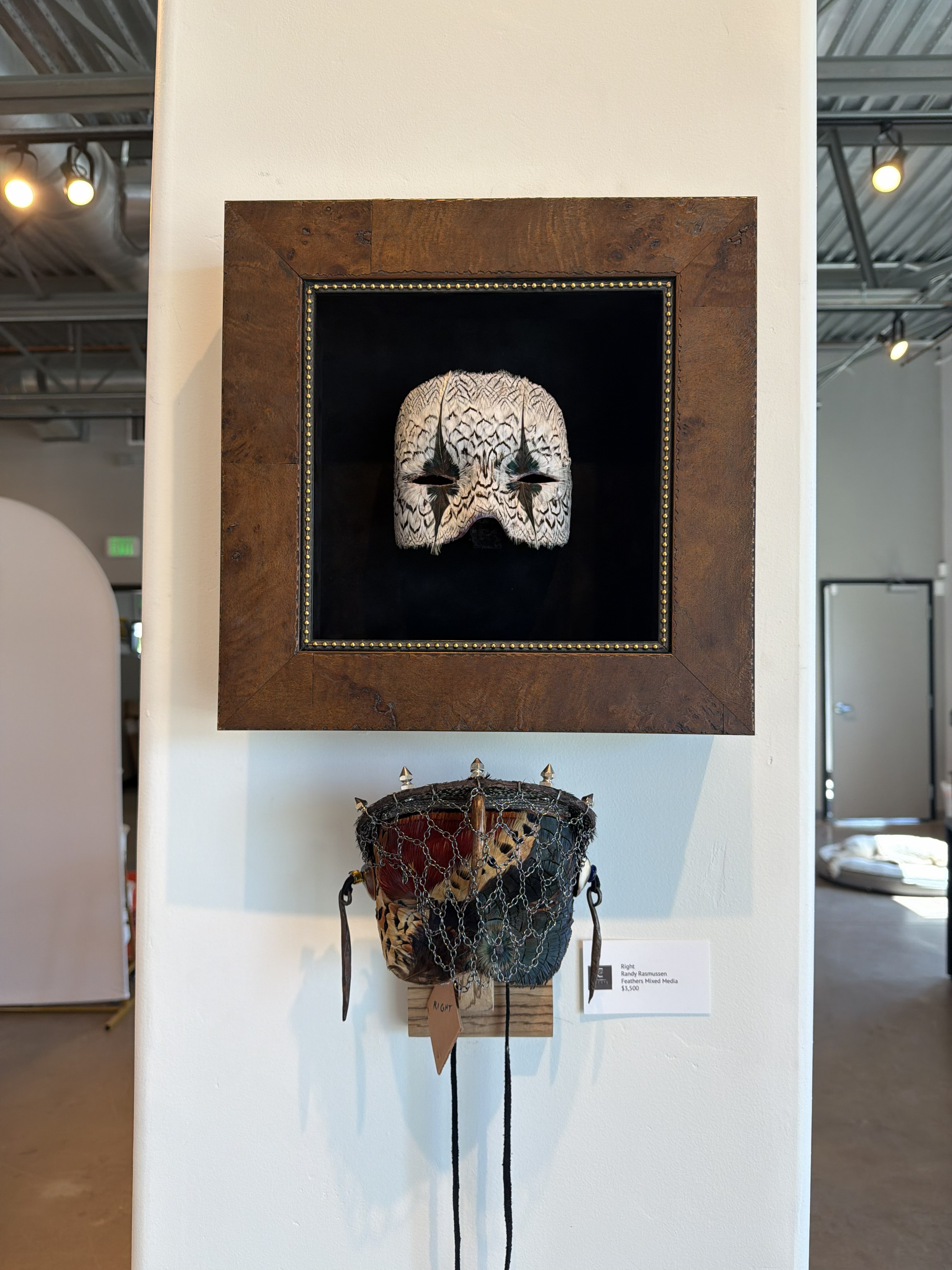
Sometimes the smallest details make artwork easier to connect with.
A clear title, medium, dimensions, price, and artist information give viewers context and answer the practical questions that naturally come up when considering a piece.
When appropriate, additional information about the inspiration, process, materials, or story behind a work can deepen that connection even further.
The goal isn't to explain every meaning behind the artwork. Viewers should still have room to experience it for themselves. It's simply about making sure important information is available instead of making someone search for it.
4. Building Consistency Into Pricing
Pricing artwork can be one of the more difficult parts of maintaining an art practice, but consistency matters.
Comparable pieces should have pricing that makes sense alongside one another, taking factors such as size, medium, materials, experience, and previous sales into consideration.
That consistency should also carry across the places where the work is available.
When collectors encounter dramatically different prices for similar work in different settings, it can create confusion and undermine confidence. A thoughtful pricing structure makes the buying experience clearer for everyone involved.
5. Remembering That the Experience Extends Beyond the Artwork
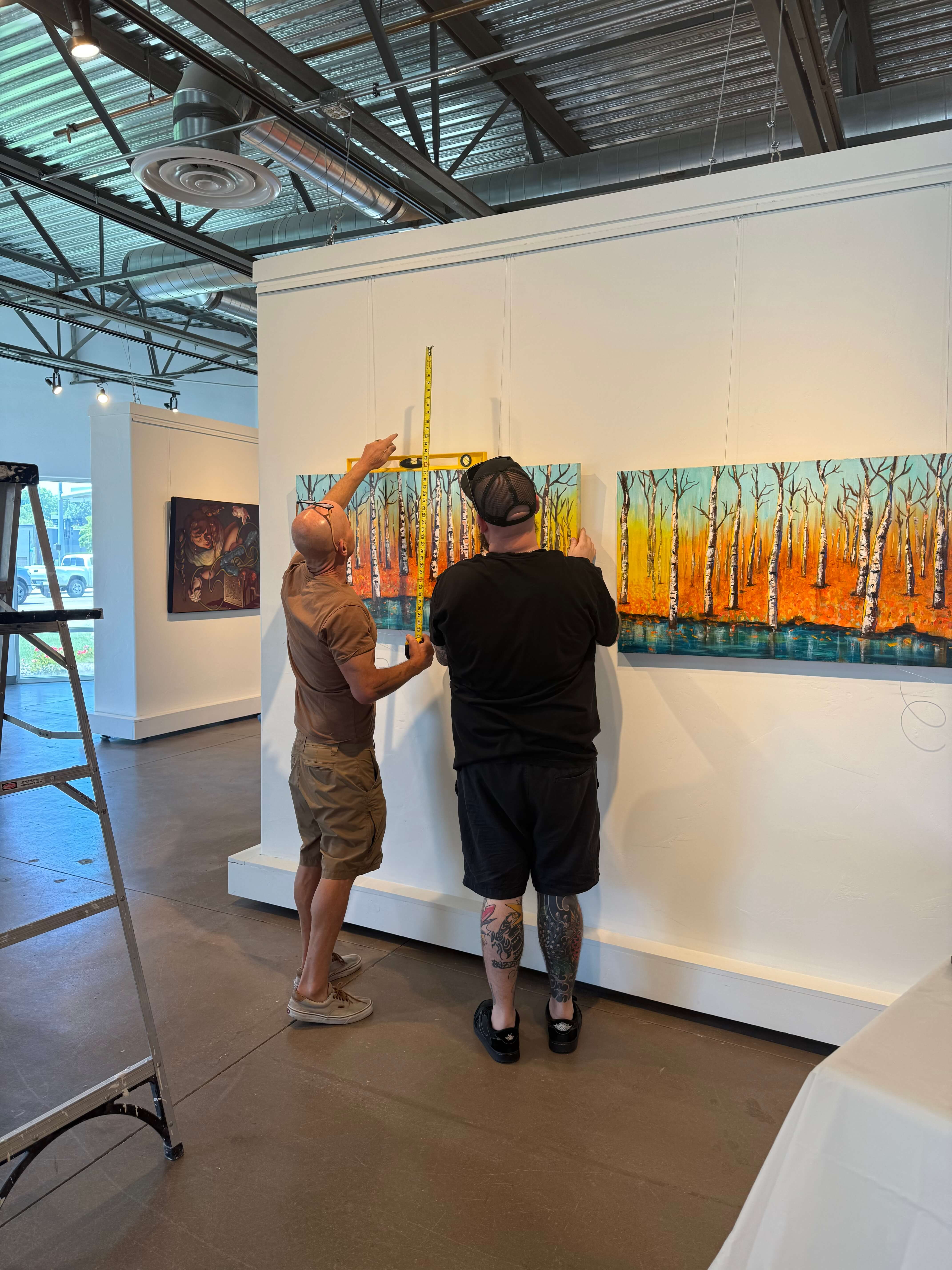
A finished piece may be at the center of the experience, but it isn't the only part of it.
Preparing work for installation, providing accurate information, meeting exhibition deadlines, communicating clearly, and following through on commitments all contribute to how smoothly an exhibition or sale comes together.
The same is true for relationships with collectors, galleries, framers, arts organizations, and fellow artists.
These details may happen behind the scenes, but they help create opportunities for the artwork to be seen, understood, and enjoyed.
Presentation Is Part of the Story
Great presentation shouldn't overpower great artwork. It should give the artwork the best possible environment in which to speak for itself.
From considering how pieces work together to making thoughtful choices about preservation, pricing, information, and professional preparation, the details surrounding a piece can make a meaningful difference.
At Create Gallery & Frames, we see art from both sides of that process- from custom framing and preservation to displaying original work in the gallery.
Visit us in Garden City, Idaho, to experience original artwork from local and regional artists and see how thoughtful presentation can help bring a piece to life.
